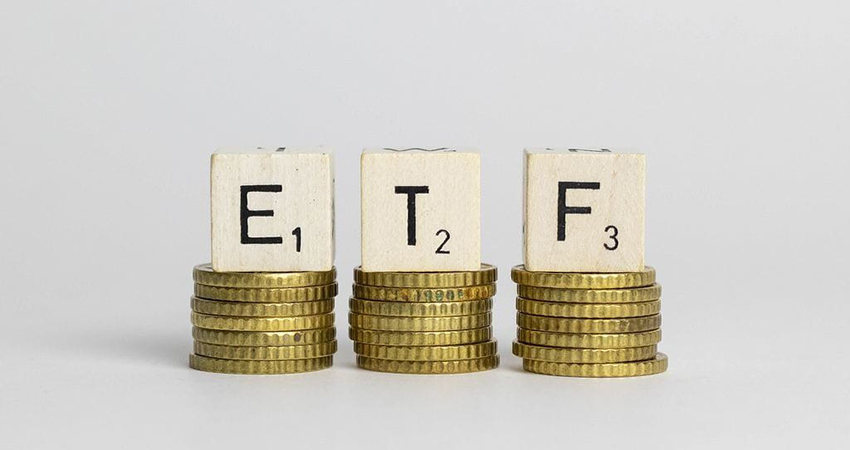
ETF Investing
What Is an ETF?
An Exchange-Traded Fund (ETF) is a type of investment fund that is traded on stock exchanges, much like individual stocks. ETFs typically track the performance of a specific index, sector, commodity, or asset class-providing diversified exposure with a single purchase.
Instead of picking individual stocks or bonds, ETF investors gain access to a broader basket of securities through one low-cost, flexible instrument.
Key Features of ETFs
Diversification
One ETF can include dozens or even hundreds of underlying assets, spreading risk across the portfolio.
Liquidity
ETFs trade like stocks on exchanges, allowing real-time buying and selling during market hours.
Transparency
Holdings are usually disclosed daily, giving investors a clear view of what they own.
Cost-Effective
Most ETFs have low expense ratios compared to mutual funds, making them budget-friendly for long-term investors.
Types of ETFs
Index ETFs
Track well-known indexes like the S&P 500, NASDAQ-100, or Dow Jones. Ideal for passive investors.
Sector and Industry ETFs
Focus on specific areas like technology, healthcare, energy, or finance.
Bond ETFs
Include government, municipal, or corporate bonds. Suitable for income-focused investors.
International ETFs
Provide exposure to foreign markets and global economies.
Commodity ETFs
Track assets like gold, oil, or agricultural products.
Thematic and ESG ETFs
Align with social, environmental, or innovation-driven themes.
Pros and Cons of ETF Investing
Pros
Instant diversification Lower fees than mutual funds Easy to buy and sell Tax-efficient structureCons
Still subject to market risk May include thinly traded or complex products Dividends might be lower than direct stock ownershipHow to Start Investing in ETFs
Essential Tools for ETF Investors
Risk Management Tips
Frequently Asked Questions
Are ETFs good for beginners?
Yes. ETFs are beginner-friendly due to their simplicity, diversification, and low fees.
What’s the difference between an ETF and a mutual fund?
ETFs trade like stocks in real-time, while mutual funds are priced at day’s end. ETFs generally have lower fees and more flexibility.
Can I earn dividends from ETFs?
Yes. Many ETFs distribute dividends received from their underlying holdings.
Are ETFs safe during market crashes?
ETFs still carry market risk, but diversified holdings may reduce losses compared to individual stocks.
How much money do I need to start?
You can start investing in ETFs with as little as $50 to $100, depending on the platform.
Do I pay taxes on ETF gains?
Yes. Capital gains and dividends from ETFs may be taxed. ETFs are generally more tax-efficient than mutual funds.
Conclusion
ETFs combine the flexibility of stock trading with the benefits of diversified fund investing. With low fees, ease of access, and broad market exposure, ETFs are a smart choice for both new and seasoned investors.
Whether you’re just starting out or looking to optimize your portfolio, ETF investing offers a powerful, efficient way to participate in the global markets.